What Is Stamped Concrete and How Does It Work?
People searching for stamped concrete installation are usually looking to enhance their surfaces with durable, decorative patterns, and local contractors can expertly handle the job.
If you’re exploring options to enhance the appearance and functionality of outdoor spaces, understanding what is stamped concrete and how does it work can be a valuable step. This decorative concrete technique allows property owners to achieve the look of natural stone, brick, or other materials at a potentially lower cost, offering both aesthetic appeal and durability. Whether planning a new patio, driveway, or walkway, knowing the basics of stamped concrete can help you make informed decisions about your project and what to expect from local contractors who specialize in this service.
Property owners in the area often turn to stamped concrete installation services to add style and value to their properties. By working with experienced local contractors, you can explore various patterns, colors, and textures that suit your design preferences. Keep reading to learn more about how stamped concrete is created, how it works, and how local service providers can help bring your vision to life with this versatile and attractive option.
- Stamped concrete installation services are suitable when homeowners want to replicate the appearance of natural materials like stone or brick for patios and walkways, with local contractors providing expert pattern stamping and coloring techniques. When designing decorative driveways that enhance curb appeal, local service providers use specialized methods to embed textures and colors into concrete surfaces. For outdoor living spaces that require durable, aesthetically appealing flooring, local pros can install stamped concrete with custom patterns and finishes tailored to the client's style preferences. In cases where existing concrete needs a decorative upgrade, local contractors offer overlay and stamping solutions to transform plain surfaces into attractive features. When planning landscape accents such as pool decks or garden paths, local pros employ stamping techniques to create realistic, long-lasting designs that complement the overall landscape.
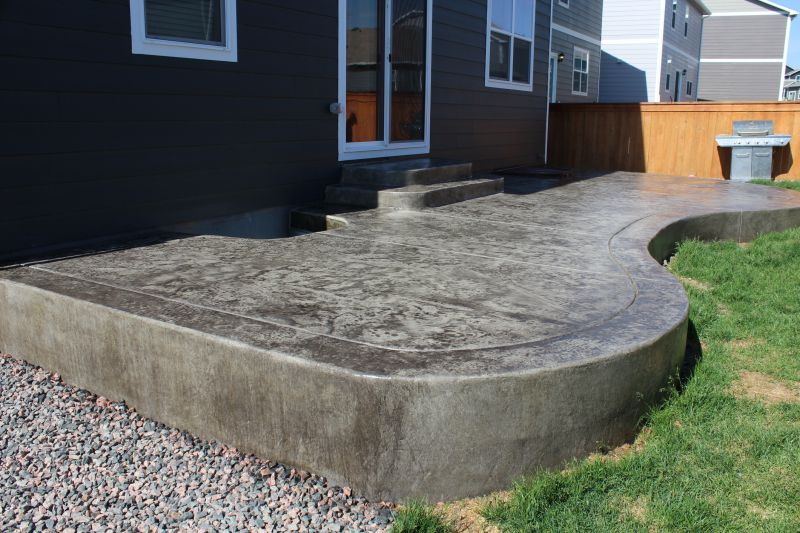
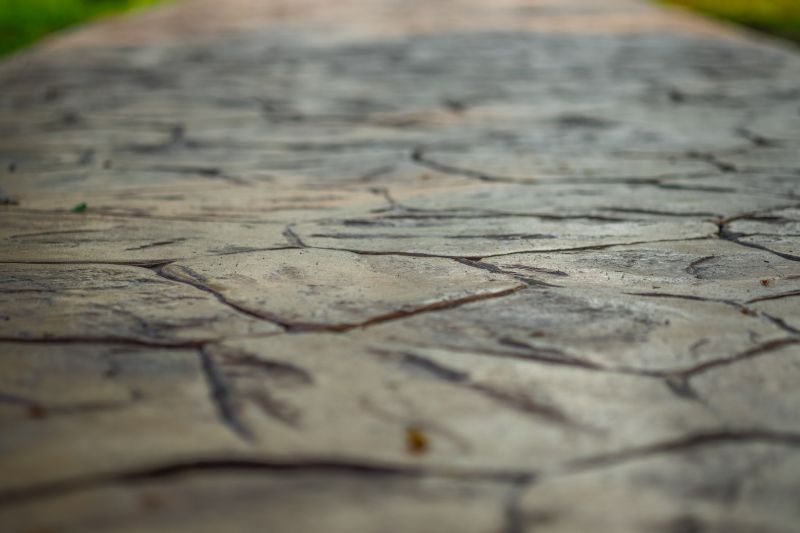
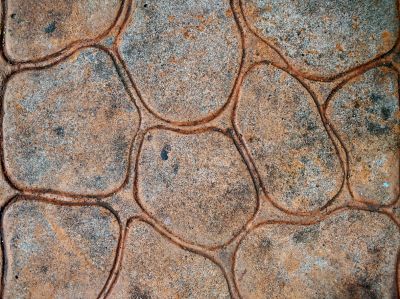
When people search for what is stamped concrete and how does it work, they are often exploring options to enhance the appearance of outdoor surfaces such as driveways, patios, walkways, or pool decks. Stamped concrete is a decorative technique that involves pouring and finishing concrete in a way that creates textured patterns and designs resembling materials like brick, stone, tile, or wood. This process allows homeowners to achieve a high-end look without the cost and complexity of installing actual paving materials. Understanding the basics of stamped concrete helps homeowners decide if it’s a suitable choice for their property and project goals.
This type of concrete is frequently considered when planning upgrades or renovations that require both durability and visual appeal. It is especially popular for outdoor spaces that see regular foot or vehicle traffic, as the stamped surface provides a slip-resistant, long-lasting finish. Common problems homeowners seek to address include cracked or dull concrete surfaces, or the desire to add aesthetic value to outdoor living areas. Whether creating a welcoming patio, a stylish driveway, or an elegant pool surround, stamped concrete offers a versatile solution that combines functional strength with decorative appeal.
Properties that typically come up in searches about stamped concrete include residential homes, commercial properties, and public spaces. In residential settings, stamped concrete is often used to improve the look of driveways, patios, or pathways leading to the front door. Commercial properties, such as retail centers or restaurants, may choose stamped concrete for their outdoor seating areas or walkways to create a distinctive look that attracts visitors. Public parks or community spaces sometimes incorporate stamped concrete for pathways or plazas to combine durability with visual interest. Local contractors who install stamped concrete usually work with a range of property types, tailoring the design and finish to match the specific needs and style preferences of each project.
Understanding how stamped concrete works helps homeowners see how it fits into their renovation plans. The process involves pouring a concrete mixture into the prepared area, then using specialized stamps to imprint patterns while the concrete is still workable. After the concrete sets, it is often stained or colored to enhance the design, and a sealant is applied to protect the surface from wear and weather. Local service providers who specialize in stamped concrete installation can assist with selecting the right patterns, finishes, and colors to complement the property’s style. They ensure the process is done correctly, resulting in a durable, attractive surface that adds value and curb appeal to the property.
Concrete patio projects - local contractors skilled in stamped concrete can create decorative patterns and textures that enhance outdoor living spaces.
Driveway installations - expertise in stamped concrete allows service providers to craft durable, visually appealing driveways with custom designs.
Walkway and pathway designs - professionals experienced in stamped concrete can develop intricate patterns that improve curb appeal and functionality.
Pool deck surfaces - local pros can apply stamped concrete techniques to produce slip-resistant, decorative pool surrounds.
Interior flooring projects - service providers can incorporate stamped concrete for stylish, textured floors in basements or commercial spaces.
Stamped concrete repair and restoration - specialists can restore or modify existing stamped concrete to maintain its aesthetic and structural integrity.
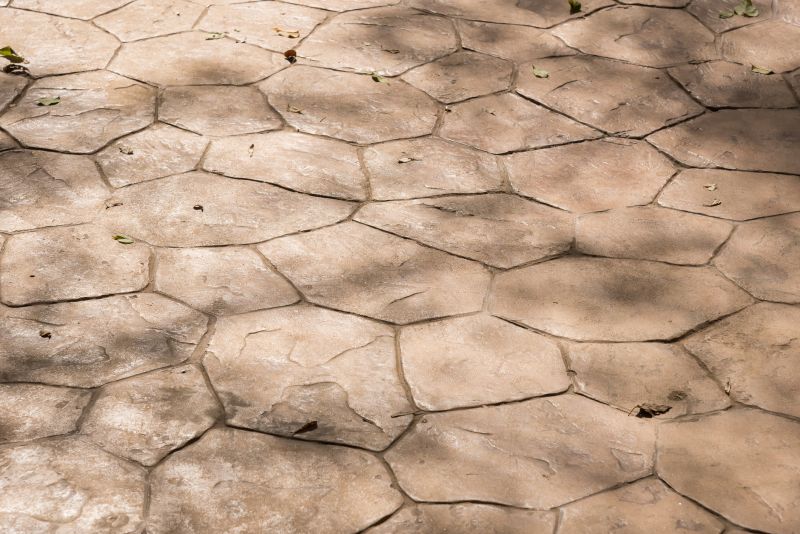
When comparing local contractors for stamped concrete installation, it’s important to consider their experience with similar projects. Homeowners should inquire about the types of stamped concrete work they have completed, ensuring the service providers have a solid track record in creating durable, visually appealing surfaces that match the desired aesthetic. An experienced contractor will understand the nuances of the process, such as proper surface preparation, stamping techniques, and finishing details, which can influence the final appearance and longevity of the installation.
Clear written expectations are essential when evaluating potential service providers. Homeowners should seek detailed proposals or estimates that outline the scope of work, materials to be used, and the steps involved in the process. Having this information in writing helps prevent misunderstandings and ensures everyone is aligned on project deliverables. It also provides a basis for comparing different contractors’ approaches and pricing, enabling homeowners to make more informed decisions based on the scope and quality of services offered.
Reputable references and effective communication are key indicators of a reliable contractor. Homeowners can ask for references from previous clients who had similar stamped concrete projects completed, which can provide insight into the contractor’s workmanship, professionalism, and adherence to timelines. Additionally, good communication throughout the process-such as responsiveness to questions and clarity in explanations-can help ensure the project progresses smoothly and meets expectations. Choosing a service provider who demonstrates transparency and a willingness to answer questions can contribute to a more positive experience from start to finish.
Property owners often search for what is stamped concrete and how does it work? when they are planning practical projects around their homes and businesses. Local pros provide Stamped Concrete Installation services for everyday jobs and straightforward project options.
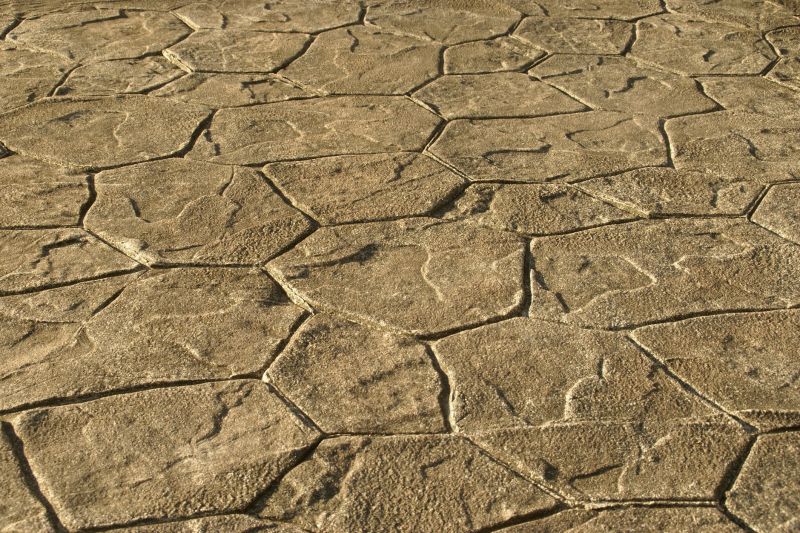
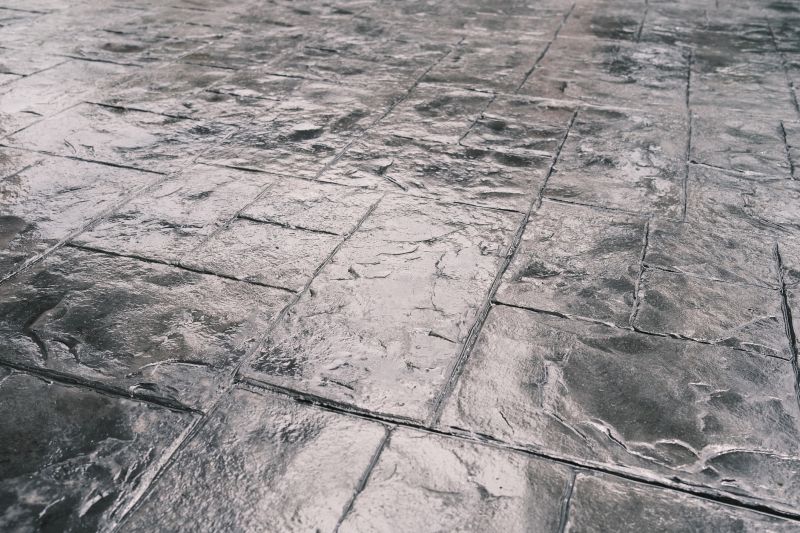
Stamped concrete is a popular choice for property owners looking to enhance their outdoor spaces with decorative and durable surfaces. It involves pouring a concrete slab and then applying a specialized stamping process that imprints patterns and textures, mimicking materials like stone, brick, or slate. This method can be used for driveways, patios, walkways, and pool decks, offering a customizable look that can elevate the overall appearance of a property without the cost of natural materials. Property owners often seek out stamped concrete installation services to achieve these aesthetic benefits while enjoying the strength and longevity that concrete provides.
For those considering stamped concrete, understanding how it works can help in making informed decisions about their project. Local contractors typically prepare the surface by ensuring the concrete is properly poured and leveled before applying stamps and color accents. The process involves pressing molds into the fresh concrete to create the desired pattern, then sealing the surface to protect it from wear and weather. Property owners searching for stamped concrete services often look for experienced local service providers who can handle the installation with precision, ensuring the finished surface looks authentic and lasts for years to come.
What is stamped concrete and how does it work? Stamped concrete is a decorative technique that involves pouring concrete and then impressing patterns or textures onto its surface to mimic materials like stone, brick, or tile. Local contractors use specialized tools and molds to create these patterns, enhancing the appearance of driveways, patios, and walkways.
How do local service providers install stamped concrete? Installation typically involves preparing the site, pouring a concrete slab, and then applying stamps or impressions while the concrete is still workable. After the pattern is set, the surface is often colored or stained to achieve a realistic look, with local pros ensuring proper finishing for durability.
Can stamped concrete be customized to match different styles? Yes, local contractors can customize stamped concrete by choosing various patterns, textures, and colors. This allows for a tailored appearance that complements the overall design of outdoor spaces and personal preferences.
What are common surfaces where stamped concrete is used? Stamped concrete is frequently used for patios, walkways, pool decks, and driveways. Its versatility makes it suitable for many outdoor areas where a decorative and durable surface is desired.
Are there different techniques for creating stamped concrete patterns? Yes, local pros may use various stamping methods, including textured mats, roller stamps, or hand tooling, to produce different patterns and effects. The choice of technique depends on the desired look and the specific project requirements.
Design customization - Property owners can choose from various patterns and colors to match their outdoor style when working with local contractors for stamped concrete projects.
Surface preparation - Properly preparing the existing concrete surface ensures the stamped pattern adheres well and lasts longer in everyday outdoor spaces.
Durability considerations - Local service providers can recommend sealing and finishing techniques that enhance the resilience of stamped concrete for regular use.
Application ideas - Stamped concrete can be used for patios, walkways, or driveways, providing a decorative and functional upgrade to outdoor areas.
If you are thinking about what is stamped concrete and how does it work? for a property, this guide is meant to help you understand this topic, the typical project types, and how different options might fit your plans.
When you are ready, you can use the quote form on this page to share a few details about your project. From there, local pros can review the basics and follow up with options that match what you have in mind.